

A self-propelled scissor lift platform is an aerial work platform that can move around a worksite using its own drive system. Unlike manually pushed or trailer-mounted equipment, it allows operators to drive, steer, raise, and lower the platform with integrated controls.
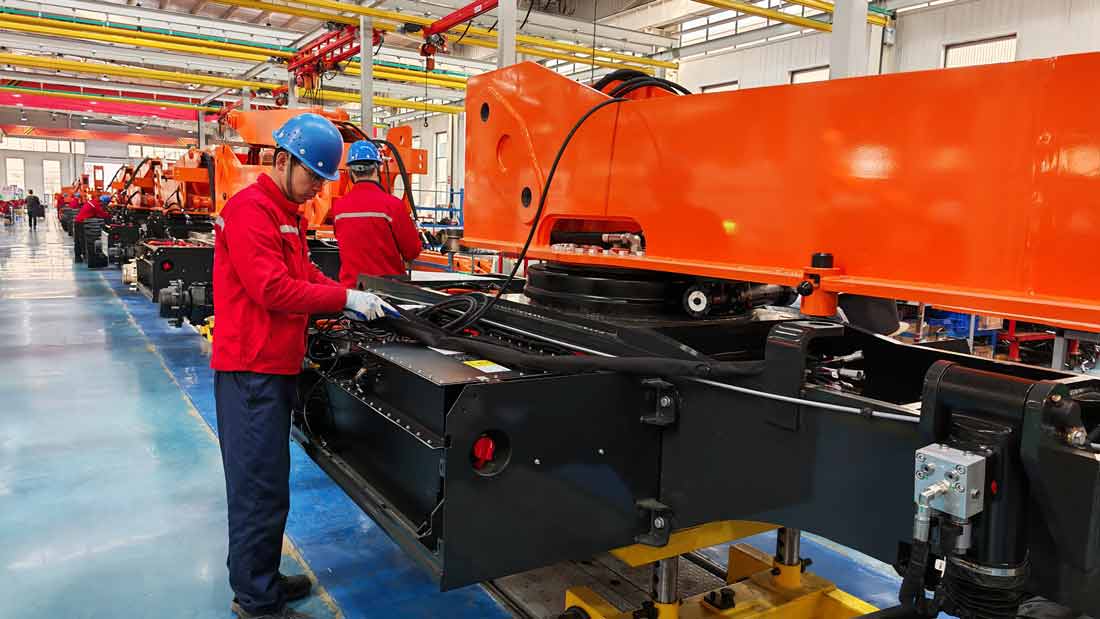
This type of lifting equipment is widely used in construction, building maintenance, warehouses, factories, infrastructure projects, and commercial facilities. Its combination of vertical lifting capability and self-propelled mobility can help reduce setup time and improve productivity.
This article explains the main features, benefits, applications, and safety considerations of self-propelled scissor lift platforms.
What Is a Self-Propelled Scissor Lift Platform?
A self-propelled scissor lift platform is a mobile elevated work platform supported by crossed lifting arms. The scissor arms extend and retract to raise and lower the working deck.
The machine includes a drive system that allows it to travel without being towed or manually pushed. Operators can normally control movement from a platform control panel. Ground controls are also available for emergency operation and service purposes.
Self-propelled scissor lifts are mainly designed for vertical access. They are suitable for jobs where workers need to move between multiple elevated work areas without repeatedly setting up ladders or scaffolding.
How Does a Self-Propelled Scissor Lift Platform Work?
The platform is raised by hydraulic cylinders, electric motors, or a combination of both. When the operator activates the lifting control, the scissor arms extend and push the working platform upward.
The drive system powers the wheels or tracks, allowing the equipment to move around the site. Steering controls determine the direction of travel, while braking systems help keep the machine stationary during work.
Depending on the model, the equipment may be driven while the platform is lowered or at a limited height. Elevated travel should only be performed when specifically allowed by the manufacturer.
Main Features of Self-Propelled Scissor Lift Platforms
Self-propelled scissor lifts are designed with several features that support efficient elevated work.
Integrated Drive System
The integrated drive system allows the machine to move independently around the worksite. This eliminates the need for manual pushing or frequent towing.
Platform Control Panel
The platform control panel typically includes controls for driving, steering, lifting, lowering, and emergency stop functions. Clear controls allow trained operators to reposition the equipment efficiently.
Vertical Lifting Capability
The scissor arm mechanism provides stable vertical lifting. It is especially useful for reaching ceilings, walls, lights, signs, pipes, and elevated structures directly above the machine.
Working Platform
The working platform provides space for workers, tools, and materials. Many models also include a sliding or fold-out extension deck for additional reach.
Guardrails and Safety Gate
Guardrails help reduce the risk of falling from the platform. The safety gate should remain closed while the equipment is in operation.
Emergency Lowering System
An emergency lowering system allows the platform to be lowered if the primary power system or platform controls fail.
Automatic Braking
Automatic braking helps keep the machine stationary when the operator releases the drive control or stops the machine.
Overload and Tilt Protection
Some self-propelled scissor lift platforms include overload sensors, tilt alarms, and other systems that help warn operators of unsafe conditions.
Compact Design
Many electric self-propelled scissor lifts are designed with a narrow chassis and small turning radius. This makes them suitable for warehouses, factories, commercial buildings, and other confined areas.
Types of Self-Propelled Scissor Lift Platforms
Different types of self-propelled scissor lifts are available for specific applications.
Electric Self-Propelled Scissor Lift
Electric models are powered by rechargeable batteries. They are quiet, produce no direct exhaust emissions, and are widely used indoors.
Typical applications include warehouse maintenance, ceiling installation, lighting work, factory servicing, and retail construction.
Rough Terrain Self-Propelled Scissor Lift
Rough terrain models are designed for outdoor construction sites and uneven ground. They may feature four-wheel drive, large tires, higher ground clearance, oscillating axles, and stabilizers.
These machines are suitable for construction, infrastructure, steel structure installation, and outdoor industrial maintenance.
Diesel Self-Propelled Scissor Lift
Diesel models provide strong performance for outdoor and heavy-duty applications. They are suitable for large construction sites and projects where long operating hours and high traction are required.
Because diesel engines generate exhaust emissions and higher noise levels, these machines are usually intended for outdoor use.
Tracked Self-Propelled Scissor Lift
Tracked models use crawler tracks instead of standard wheels. They are designed to provide improved ground contact and stability on selected challenging surfaces.
Tracked machines may be used in landscaping, construction, uneven terrain, and areas where reduced ground pressure is important.
Applications of Self-Propelled Scissor Lift Platforms
Self-propelled scissor lifts are used in many industries because they combine lifting and mobility.
Construction
Construction teams use self-propelled scissor lifts for:
Ceiling installation
Painting and finishing
Electrical work
HVAC installation
Steel structure assembly
Interior construction
Exterior maintenance
The equipment allows workers to move between different areas without lowering and manually repositioning the platform for every task.
Warehouse Operations
In warehouses, compact electric models help workers access:
High storage areas
Lighting systems
Ventilation equipment
Fire protection systems
Racking structures
Ceiling-mounted installations
Their small turning radius and low noise make them suitable for indoor logistics environments.
Building Maintenance
Facility teams use these machines for lighting replacement, window cleaning, sign maintenance, roof inspection, air conditioning service, and general building repairs.
The platform provides a stable work area while the self-propelled system allows efficient movement around the facility.
Industrial Facilities
Factories and plants use self-propelled scissor lifts for machinery maintenance, pipe inspection, equipment installation, production line servicing, and structural repairs.
For industrial applications, users should select a model with the correct load capacity, platform size, and operating height.
Infrastructure Projects
Rough terrain models can support work on bridges, roads, tunnels, utility facilities, and large infrastructure sites.
Their mobility and outdoor capability make them useful where the ground surface is unfinished or difficult to access.
Event and Exhibition Setup
Self-propelled scissor lift platforms can be used to install lighting, banners, decorations, signs, audio equipment, and temporary structures at exhibition centers, stadiums, and event venues.
Electric models are often preferred for indoor venues because they operate quietly and produce no direct exhaust emissions.
Benefits of Using a Self-Propelled Scissor Lift Platform
Improved Productivity
Operators can move from one work area to another without relying on additional vehicles or manual repositioning. This helps reduce setup time and improve workflow.
Reduced Manual Effort
Traditional access equipment may need to be pushed, towed, or rebuilt at different locations. A self-propelled machine reduces the need for these tasks.
Stable Working Platform
The platform provides a stable working area for operators, tools, and materials within the rated capacity.
Flexible Operation
Self-propelled scissor lifts can be used in many locations, including warehouses, factories, commercial buildings, construction sites, and outdoor industrial areas.
Better Access in Confined Spaces
Compact models are designed to pass through narrow entrances and operate in areas where larger equipment may not fit.
Multiple Power Options
Users can select electric, diesel, or hybrid models according to the operating environment and project requirements.
How to Choose the Right Self-Propelled Scissor Lift Platform
Before purchasing or renting equipment, consider the following factors.
Working Height
Determine the required platform height and overall working height. The machine must safely reach the target work area without requiring unsafe climbing or leaning.
Load Capacity
Calculate the combined weight of workers, tools, materials, and equipment. The total load must remain below the manufacturer’s rated capacity.
Ground Conditions
For smooth indoor floors, an electric model may be appropriate. For uneven outdoor terrain, select a rough terrain model with suitable tires, traction, and stabilization features.
Platform Dimensions
A larger platform offers more workspace, while a compact platform may be easier to operate in narrow areas.
Drive and Steering System
Check the drive type, turning radius, travel speed, and gradeability. These specifications affect how easily the machine can move around the worksite.
Power Source
Electric models are suitable for quiet indoor applications. Diesel models may be better for outdoor construction and long operating shifts.
Transportation
Review the machine’s total weight, folded height, width, and loading requirements before arranging delivery or storage.
Safety Considerations
Only trained and authorized operators should use a self-propelled scissor lift platform. A pre-use inspection should be completed before every shift.
Inspect the tires or tracks, brakes, guardrails, platform gate, control panel, emergency stop system, hydraulic components, alarms, and lifting structure.
Operators should also:
Follow the rated load capacity.
Keep both feet on the platform floor.
Never climb on guardrails.
Never place ladders or boxes on the platform.
Check for overhead obstacles and power lines.
Avoid unsuitable slopes and unstable surfaces.
Keep the platform gate closed.
Follow the manufacturer’s wind limits.
Lower the platform before long-distance travel.
Use stabilizers when required.
The machine should be operated according to local regulations and the manufacturer’s instructions.
Maintenance Requirements
Regular maintenance helps maintain the performance and reliability of a self-propelled scissor lift platform.
Maintenance tasks may include checking batteries or fuel systems, inspecting hydraulic fluid, testing brakes, examining tires or tracks, lubricating moving parts, and checking the scissor arms for wear or damage.
Safety labels, control markings, and warning signs should remain visible. Major repairs and scheduled inspections should be completed by qualified technicians.
Conclusion
A self-propelled scissor lift platform combines vertical lifting capability with independent mobility. It allows operators to reach elevated work areas and move efficiently around the worksite.
Electric models are generally suitable for indoor work, while diesel and rough terrain models are better for demanding outdoor applications. Important factors include working height, load capacity, platform size, terrain capability, power source, maneuverability, and safety features.
When properly selected, inspected, and operated, a self-propelled scissor lift platform can improve productivity and provide a stable solution for construction, maintenance, warehouse, and industrial work.
Frequently Asked Questions
What is a self-propelled scissor lift platform?
It is an aerial work platform that can drive and steer around a worksite using its own integrated power system while raising workers vertically.
Can a self-propelled scissor lift move while raised?
Some models allow limited movement while elevated. Operators must follow the manufacturer’s instructions and site safety requirements.
Are self-propelled scissor lifts suitable for indoor use?
Yes. Compact electric self-propelled scissor lifts are commonly used indoors because they operate quietly and produce no direct exhaust emissions.
What is the difference between a self-propelled and a push-around scissor lift?
A self-propelled model can drive itself using onboard controls. A push-around model must be manually moved or transported to a new work location.
Can a self-propelled scissor lift be used on uneven ground?
Rough terrain models are designed for selected uneven outdoor surfaces. Standard indoor models should generally be used only on firm, level ground.